
Precision-Engineered Motorcycle Bodywork
Motorcycle Fairings: Where Design Meets Performance
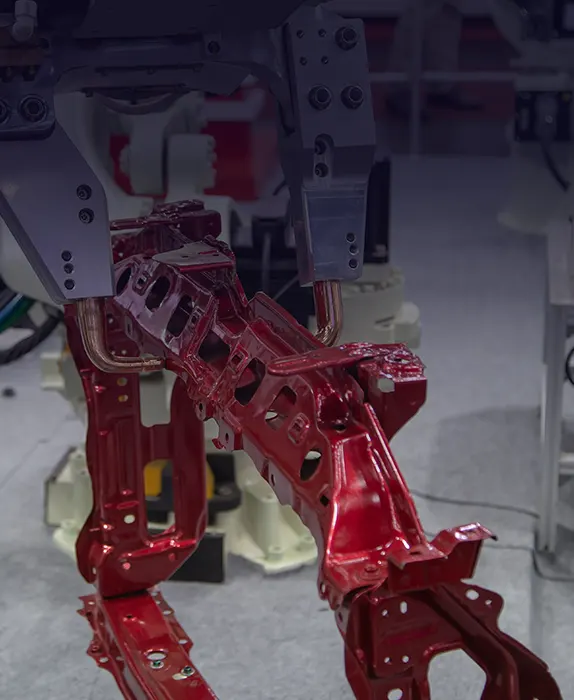
Fairing Materials & Manufacturing Technology

Fairings for Iconic Brands & Models
The silhouettes of Japanese inline-four sportbikes or Italian V-twin superbikes define brand identity, distinguishing these flagship models on the global market.

OEM Replica & Heritage Model Fairings
Manufacturers refine model ranges, balancing tradition with innovation to serve loyal riders engaged in classic bike restoration or seeking modern performance.

Performance Evolution & Custom Liveries
Each generation introduces electronic aids and styling updates, with MotoGP-inspired liveries reflecting brand philosophies and meeting the expectations of track day enthusiasts.

Model-Specific Fitment & Kit Options
Distinct trims, colors, and specifications—including full fairing kits or ABS vs. Carbon options—help buyers select a setup matching their experience and budget.
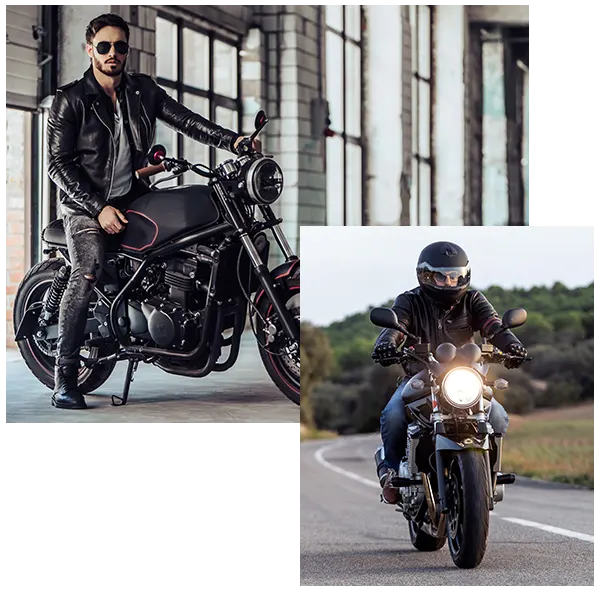
Optimizing Aerodynamics & Airflow Management
Motorcycle Fairing Maintenance & Repair
Core motorcycle maintenance best practices
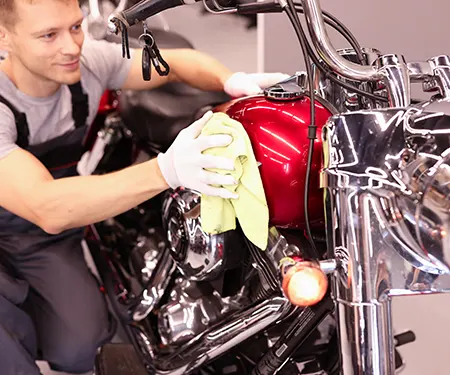
Proper Cleaning for Paint & Finish Longevity
Use pH-neutral cleaners and microfiber towels to protect the clear coat and paint surface during regular detailing sessions.
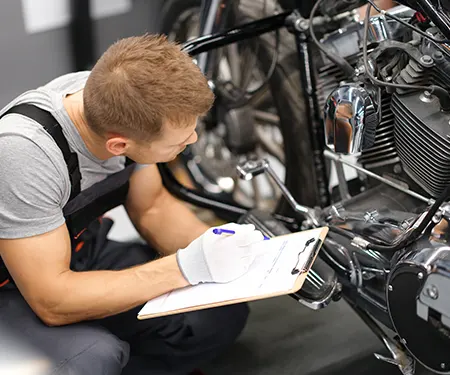
Plastic Fairing Crack & Tab Repair
Two-part epoxy adhesives or plastic welding kits securely fuse damaged ABS, restoring structural integrity for lasting strength.
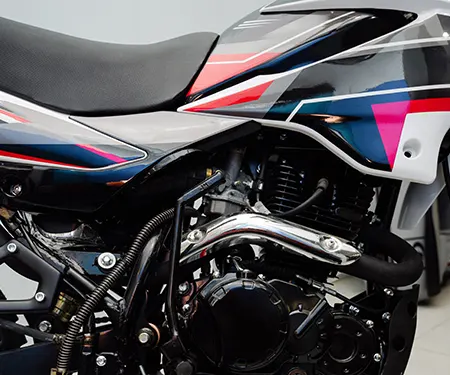
Restoring Faded Paint & Oxidized Plastics
Multi-stage polishing compounds restore color depth and clarity, while a ceramic coating application provides long-term surface protection.
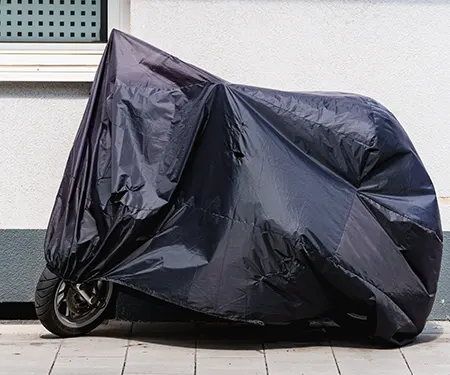
Applying Protective Sealants & Films
A quality paint protection film (PPF) or ceramic sealant shields panels from moisture, road grime, and UV-induced fading.
Personalized design
Custom Fairing Graphics & Paintwork
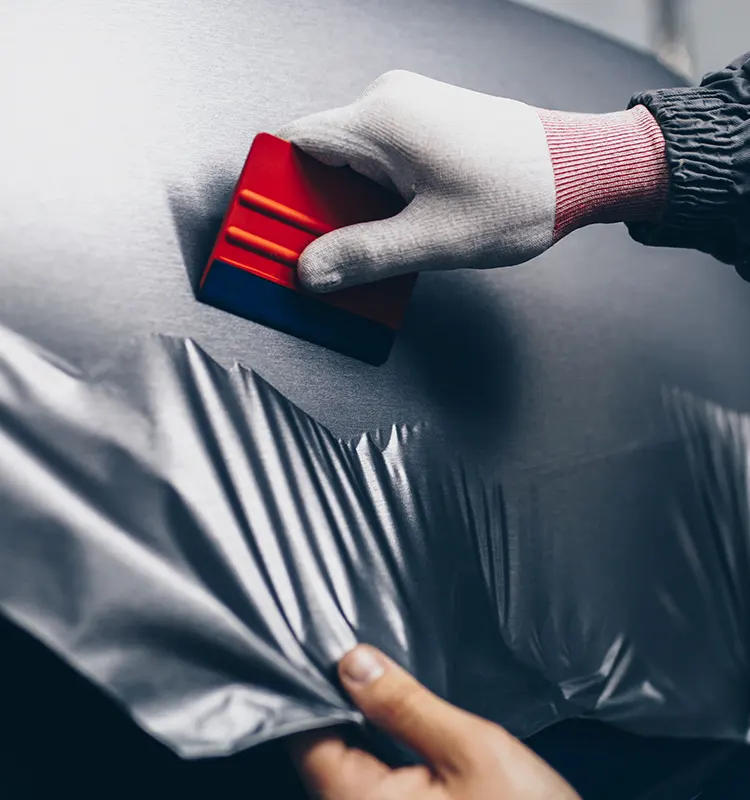
Transforming appearance with vinyl wraps
High-grade cast vinyl conforms to complex curves for complete non-permanent color changes. This reversible method protects the original paintwork from scratches and offers limitless design possibilities.
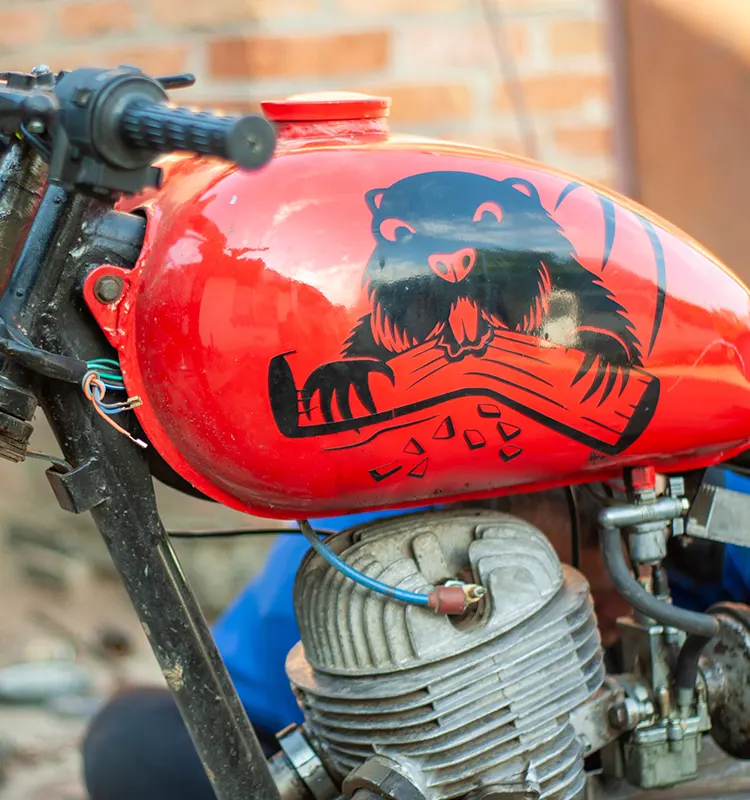
Applying Patterns with Hydro Dipping
Water transfer printing applies intricate patterns like digital camouflage or a forged carbon look to irregular shapes. The process involves dipping the part into a PVA film suspended on water.
Street-Legal Compliance & Track Regulations
DOT/ECE compliant fairings must have cutouts for headlights and turn signals to ensure road visibility. Regulations mandate that bodywork cannot have sharp edges, mitigating pedestrian injury risk. Integrated reflective elements are often required for night safety, ensuring 360-degree visibility.
Track day regulations often require a sealed oil-containment belly pan. This race-spec lower cowl prevents fluid spills on the asphalt, protecting other riders from hazards during high-speed cornering. Technical scrutineering verifies this containment capability pre-race.